

Leak Repair: Protecting Your Home and Wallet from Water Damage
A water leak left alone for even a few days can turn a small plumbing problem into a costly mess. Here’s what every homeowner in Asheville and Hendersonville should know about finding, fixing, and preventing leaks before they get out of hand.
Key Takeaways
- Even a small leak wastes thousands of gallons of water per year and can add $50 to $300+ to your monthly water bill.
- Early leak detection and professional leak repair cost less than repairing the water damage, mold growth, and structural issues that undetected leaks cause over time.
- A quick fix with tape or epoxy is a temporary fix only; permanent repair requires a licensed plumber who can resolve the root cause.
- Transparent pricing with written estimates helps you plan for costs and supports insurance documentation if needed.
- Same-day and emergency leak repair services are available to stop active leaks before they cause significant water damage to your home.
Why Professional Leak Repair Is Essential
A slow water leak hidden behind walls, under a slab, or in a ceiling can cause thousands of dollars in damage within days. A 1/8-inch crack in a pipe can discharge 250 gallons of running water per day. A dripping tap leaking once per second wastes over 3,000 gallons per year.
The risks of ignoring leaks go beyond wasted money on your water bill:
- Swollen drywall, warped floors, and damaged cabinets from prolonged moisture exposure.
- Mold growth inside walls and insulation, especially during our humid Western NC summers.
- Electrical safety hazards when leaks occur near outlets or panels.
- The first step in leak repair is to stop the water flow; the most effective method for fixing water leaks depends on the damage severity.
- DIY sealants, duct tape, and pipe clamps are a temporary fix that often fails under normal water pressure and can violate local plumbing codes.
- A professional doesn’t just seal the visible drip. We identify and fix the root cause, whether that’s a corroded pipe, a failing joint, or high water pressure stressing your system.
- Licensed plumbers handle safety concerns that DIY can’t, like hot water lines near water heaters, gas line proximity, and confined crawlspace access common in older Asheville homes.
Professional repairs prevent mold growth and structural deterioration that cost far more to resolve down the road.
Common Types of Water Leaks and How They’re Repaired
Our team routinely handles leaks in kitchens, bathrooms, basements, and outdoor plumbing for homes and small businesses across Western NC. Here are the most common:
- Dripping faucets and taps: A dripping tap indicates a leaking water pipe. Dripping taps are usually caused by a damaged washer or worn cartridge. We replace the faulty component and use plumber’s tape on threaded joints to ensure a watertight seal.
- Running toilets: Leaking toilets often stem from loose tee bolts or rubber seals, faulty flappers, or worn fill valves. Replacing these parts stops the constant flow of water.
- Water heater connections: Corrosion at fittings or a failing tank; repair involves swapping corroded fittings or replacing the unit.
- Dishwasher and washing machine supply lines: Flexible hoses degrade over time. We swap them for braided stainless-steel lines.
- Under-sink P-traps and supply lines: Water pipe joints can leak and may require replacement. Tightening connections or replacing washers at sinks fixes most drips.
- Leaking bath or shower: Problems may be due to broken plugholes or failed seals. Silicone seal around bathtubs should be re-sealed regularly.
- Leaky radiators: These often result from corroding pipe couplings that need replacing.
- Pinhole leaks in copper pipes inside walls: Common in older homes built before the 1990s. Permanent repairs may require replacing the damaged section of piping. Compression couplings are used as a permanent fix for severely damaged pipes.
- Slab leaks: A breach in a supply line beneath your concrete foundation. Repair options range from spot repair to rerouting water lines around the problem area using PEX or copper.
- Outdoor leaks: Main water service line leaks, irrigation system leaks, and hose bib failures (freeze damage is common in our mountain winters) all require excavation or fitting replacement to access and repair.
Leak Detection: Finding the Source Before It Spreads
Waiting for visible stains or pooling water means the damage is already done. Early leak detection minimizes water damage and repair costs.
What you can do at home:
- Monitor your water bill for unexplained increases. If your bill jumps $50 or more with no change in usage, suspect a hidden leak.
- Turn off all fixtures and appliances, then check your water meter. If the dial moves over 10 to 15 minutes, you likely have a leak somewhere in the system.
- Inspect for damp spots around toilets, sinks, appliances, ceilings, and floors. Musty odors point to hidden moisture.
What our team brings to the table:
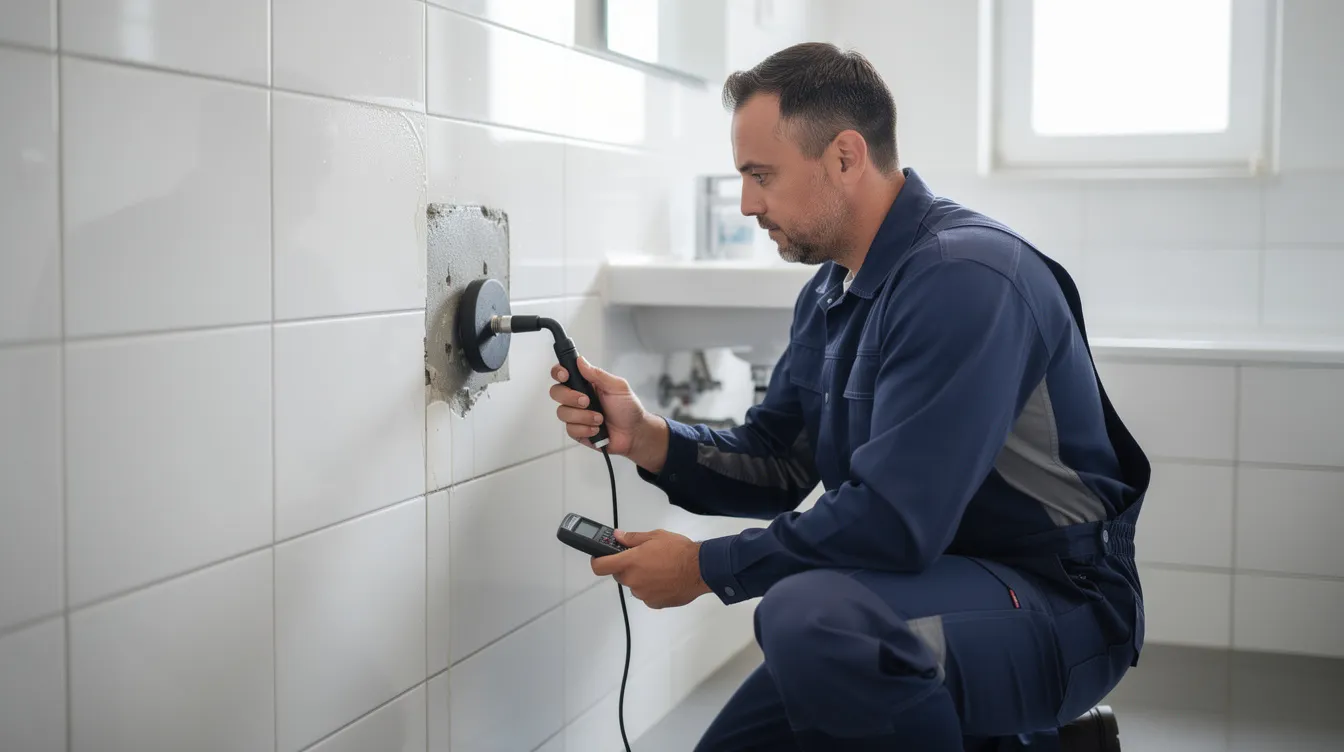
- Acoustic listening devices that locate leaks in walls and under slabs without tearing anything apart.
- Thermal imaging cameras that detect temperature changes from hot or cold water escaping pipes.
- Moisture meters for scanning floors, drywall, and baseboards non-invasively.
Reliable leak detection is especially key in homes with older copper or galvanized steel pipes, where corrosion-driven pinhole leaks are more common. Call a professional right away if your meter is spinning with no water running, you find a warm spot on a concrete floor, or ceilings show fresh water stains. A hidden leak can usually be found without tearing up the entire house.
Cost, Transparent Pricing, and Financing Options
Leak repair costs range based on location, accessibility, and severity. Transparent pricing keeps surprises out of the equation.
A clear, written estimate should include:
- Diagnostic or leak detection fee (if any)
- Labor hours and materials (pipe, fittings, valves, whether copper, PEX, or PVC)
- Any restoration work like drywall patching, flooring, or concrete repair
Slab leaks in the U.S. average around $2,280 for detection and spot repair, with most falling between $630 and $4,400. Full repipe projects run $4,000 to $15,000 before restoration. The average homeowners water damage insurance claim from 2018 to 2022 was about $13,954.
We believe in transparent pricing with no hidden trip fees, clear overtime rates for nights and weekends, and upfront communication about potential extra costs if additional leaks are discovered. We can also help with documentation for insurance claims when leaks cause visible structural damage. Financing options, like low-interest plans for 6 to 12 months, make larger projects more manageable.
Fixing a steady leak can pay for itself in a few months through lower water bills alone.
Emergency and Same-Day Leak Repair Services
Some leaks can’t wait. Burst pipes, fast-spreading ceiling leaks, and major slab leaks need same-day or emergency service to prevent severe damage. Emergency leak repairs are typically handled within a few hours.
While you wait for us to arrive:
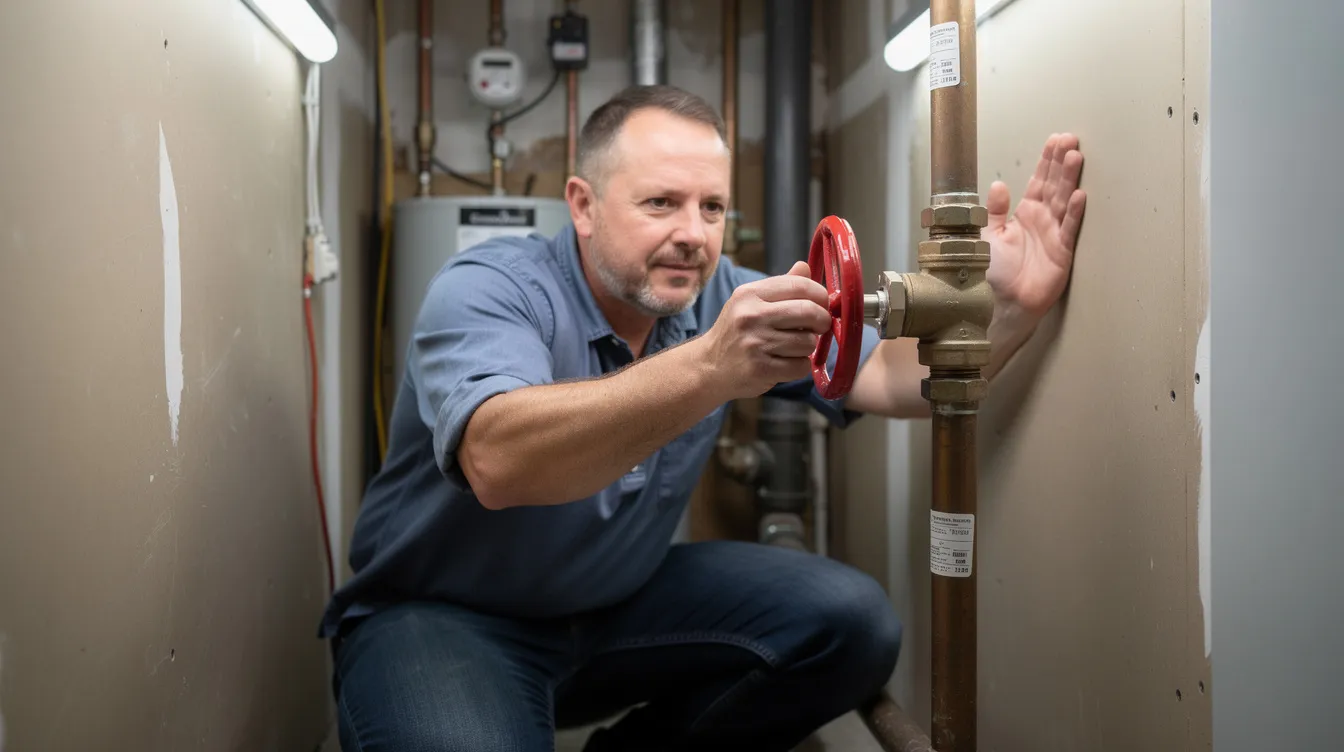
- Always locate and shut off the main water supply before repairs. Always keep shutoff valves accessible to react quickly during leaks.
- Before any repair, it’s important to drain the remaining water from the pipes by opening faucets.
- Move furniture and electronics away from affected areas; place buckets or towels under active drips.
- Open windows and use fans to ventilate and dry the area after a leak.
Even if you apply a pipe clamp or temporary epoxy as a quick fix to slow the flow, a professional still needs to inspect and perform a permanent repair. Prompt response limits visible water damage and reduces the chance of future mold remediation, which is usually more costly and disruptive than the original leak repair. Commercial properties like restaurants and offices benefit from fast response too, avoiding safety hazards and business interruption.
Preventing Future Leaks and Reducing Water Bills
After you resolve an immediate water leak, preventive maintenance helps you avoid repeat issues and keeps your water bill stable.
- Schedule an annual plumbing inspection. We check exposed pipes, shutoff valves, water pressure, and connections at toilets, sinks, and appliances.
- Replace aging supply hoses with braided stainless-steel lines at your dishwasher and washing machine.
- Update corroded shutoff valves and insulate pipes in unheated spaces; our mountain winters make frozen pipes a real concern.
- Install a pressure-reducing valve if your home’s water pressure is consistently above 80 psi.
- Read your water meter monthly and track usage. A small leak caught early is a $200 fix; caught late, it’s a $5,000 problem.
- Avoid harsh chemical drain cleaners that corrode pipes and joints from the inside. Don’t overtighten faucet handles and shutoff valves.
Early leak detection and preventive maintenance combined save more money over time than repeatedly paying for emergency leak repair.
Frequently Asked Questions About Leak Repair
What is the quickest way to tell if I have a hidden water leak?
Turn off every water-using fixture and appliance in your home. Find your water meter and watch the low-flow indicator or dial for 10 to 15 minutes. If it moves, you likely have a hidden leak. Other early signs include unexplained damp spots, musty smells, or warm patches on floors even when no water is visibly pooling. If you suspect a problem, contact a professional to locate leaks before they cause bigger issues.
Can I just seal a leaking pipe myself with tape or epoxy?
Temporary repair methods include using waterproof tape or clamps to slow an active leak and protect your belongings. Pipe repair clamps are effective for pinhole leaks and minor splits. Self-fusing silicone tape creates a waterproof barrier when wrapped around leaks. Epoxy putty can be used to repair minor cracks or pinhole leaks; a clean repair area helps any temporary patch hold better. For larger leaks, effective methods include mechanical clamps and soldering. But these products rarely meet plumbing codes for permanent repairs and can fail under normal water pressure. Treat them as a temporary fix while you wait for a licensed plumber.
How long does a typical leak repair take once the plumber arrives?
Many straightforward repairs, like replacing a toilet fill valve, fixing a faucet, or swapping a short section of accessible pipe, take 1 to 3 hours. More complex issues like slab leaks, main water line replacements, or multiple hidden leaks behind walls may require a full day or multiple visits. Ask for an estimated timeline after the initial leak detection so you know what to expect.
Will my homeowners insurance cover water damage from a leak?
Most standard policies cover sudden, accidental water damage, like a burst pipe. They typically do not cover slow, long-term leaks caused by lack of maintenance or wear and tear. Review your policy or call your insurance agent to confirm coverage and required documentation. We provide detailed invoices and repair reports that help support claims when coverage applies.
How often should I schedule preventive leak inspections?
We recommend an annual plumbing checkup for most homes. Older houses or properties that have experienced past leaks benefit from inspections every 6 to 12 months. In Western NC, scheduling before winter freezes is a smart move to catch issues with exposed or poorly insulated pipes. Regular inspections find minor drips or corroded fittings before they turn into leaks that damage your home and raise your water bill.
If you’re dealing with a leak right now, or you just want peace of mind about your plumbing, we’re ready to help. Give us a call or book through PikeHomeServices.com. We’re proud to serve Asheville, Hendersonville, and the surrounding Western North Carolina communities, and we’re absolutely committed to getting your home back in good shape.