

Stop Noisy Pipes: How to Fix Banging, Rattling and Whistling in Your Plumbing System
If you have ever been jolted awake by a loud bang in the walls or heard a mysterious hum every time you run the kitchen faucet, you are not alone. Noisy pipes are one of the most common plumbing problems we see in homes across Asheville, Hendersonville, and Western North Carolina. The good news is that most of these sounds have a clear root cause and a fix that won’t break the bank.
Key Takeaways
- Noisy water pipes are usually caused by water hammer, high water pressure, loose fittings, or pipes that expand when carrying hot water. Addressing these issues early helps you avoid leaks, pipe damage, and costly repairs down the road.
- Match the sound to the cause: a banging sound typically means water hammer, rattling points to loose pipes, humming suggests pressure issues, and squealing often traces back to a worn valve or washer.
- Addressing water hammer and regulating high water pressure should be your top priorities if pipes are making noise right after taps, toilets, or washing machines shut off.
- Some fixes are realistic DIY jobs, like bleeding trapped air, tightening pipe clamps, or replacing a simple washer. Others, like installing a pressure regulator or accessing drain pipes inside finished walls, call for professional help.
- Most noisy pipes can be quieted effectively with a mix of simple adjustments, targeted plumbing repairs, and basic soundproofing.
Understanding Noisy Pipes: What’s Actually Making the Sound?
Every noise you hear from your plumbing system starts with water, air, or vibration moving through pipes and transferring energy into your home’s structure. Your walls, joists, and ceilings act like soundboards, amplifying what might otherwise be a quiet ripple into something you can hear across the house.
The main categories of pipe noise break down like this:
- Impact noise is the classic banging sound or water hammer you hear when a valve shuts quickly.
- Vibration noise shows up as humming, buzzing, or rattling when water flow creates resonance in loosely supported runs.
- Friction noise is the squeaking or creaking that happens when pipes expand and rub against wood framing or metal straps.
- Flow noise is hissing, rushing, or whooshing caused by high velocity water moving through narrow or scaled sections.
Air bubbles in pipes can also create significant noise, especially after a repair or when trapped air works its way through supply lines.
Water pipes (your supply lines) are under constant pressure, so they tend to produce banging and humming. Drain pipes are gravity fed and more likely to gurgle, drum, or rush. Picture a two-story home built around 1995 with copper supply lines and PVC drain pipes. Sound from the supply side travels through copper into the framing, while drain noise echoes inside hollow stud cavities. Both can be disruptive.
Ignoring persistent pipe noise is a gamble. Over time, repeated vibration and pressure spikes can slowly loosen joints, stress fittings, and eventually lead to leaks inside walls or ceilings.
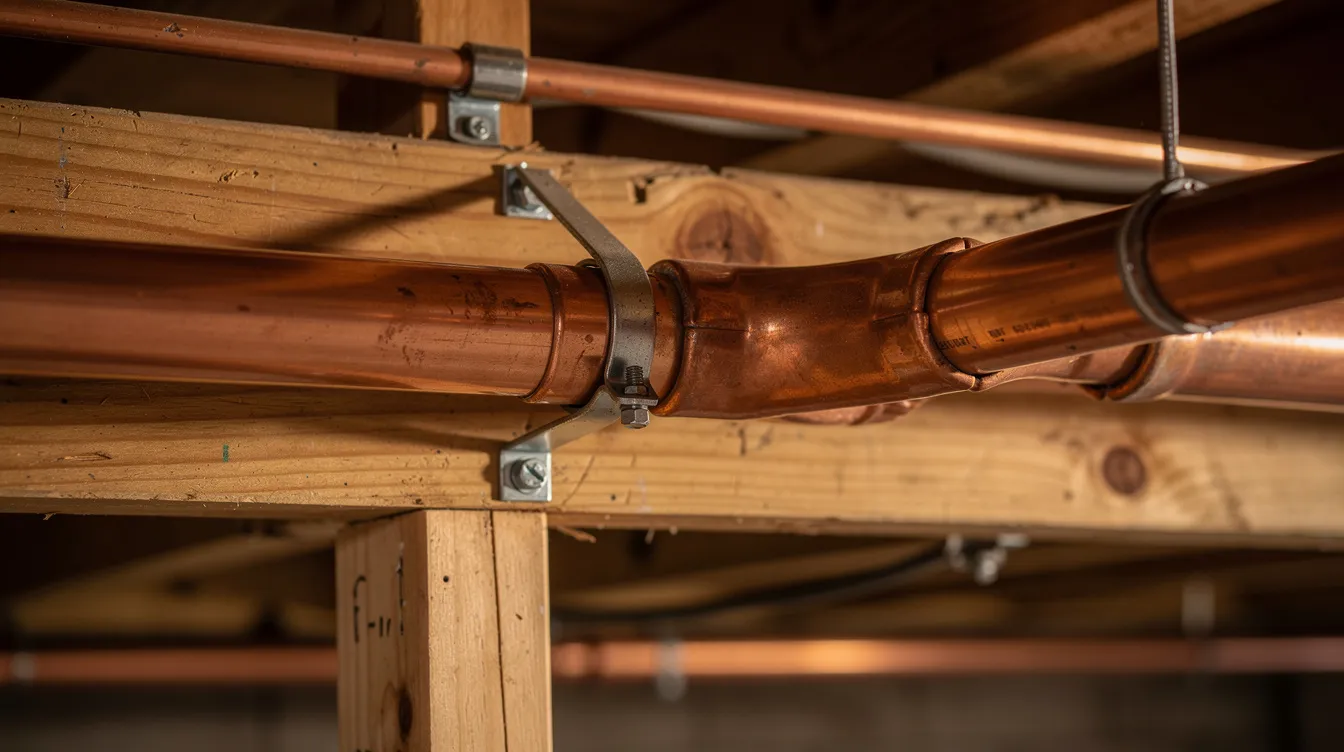
Common Noises and What They Mean
The type of noise you hear is the quickest clue to the underlying problem. Before calling anyone, spend a few minutes listening and noting when each sound happens.
Here is a quick guide to help you self-diagnose:
- Loud bang when a tap or valve shuts means water hammer, a hydraulic shock caused when water flow is suddenly stopped.
- Rapid rattling or clunking along a wall while water is running usually points to loose pipes vibrating against studs or brackets.
- Steady hum or buzz when multiple fixtures run often signals excessive water pressure. High water pressure causes buzzing sounds in pipes and can cause humming or vibrating sounds throughout your piping system.
- Squealing or whistling at a single faucet suggests a worn washer, a failing valve seat, or a partially closed water valve.
- Gurgling in drain pipes after a flush or during a shower indicates a partial blockage or a venting problem in your plumbing system.
Noisy water pipes near washing machines and dishwashers often point to sudden flow stoppages and pressure spikes when their solenoid valves snap closed.
One important safety note: if you hear continuous hissing or loud vibration even when no fixtures are running, that could indicate a hidden leak or dangerously high pressure. That situation needs urgent attention.
Water Hammer: The Classic Cause of Banging Pipes
Water hammer is a hydraulic shock that hits when flowing water is forced into a sudden stop. The momentum of moving water has to go somewhere, and the result is a sharp banging noise behind your walls or ceilings. Water hammer occurs when water flow suddenly stops, and the pressure wave travels through the piping system at roughly 4,800 feet per second.
This is especially common in homes with fast-closing valves found in modern mixer taps, ice makers, and washing machines. High water pressure can lead to water hammer, causing banging noises, particularly when incoming pressure exceeds 80 psi. Water hammer can create pressure spikes ten times the normal level, and a water hammer can create shockwaves up to ten times the normal pressure. Those forces make unsecured or loosely supported pipes rattle against studs, joists, and brackets, amplifying the banging sound throughout the house.
Two devices help absorb these shockwaves:
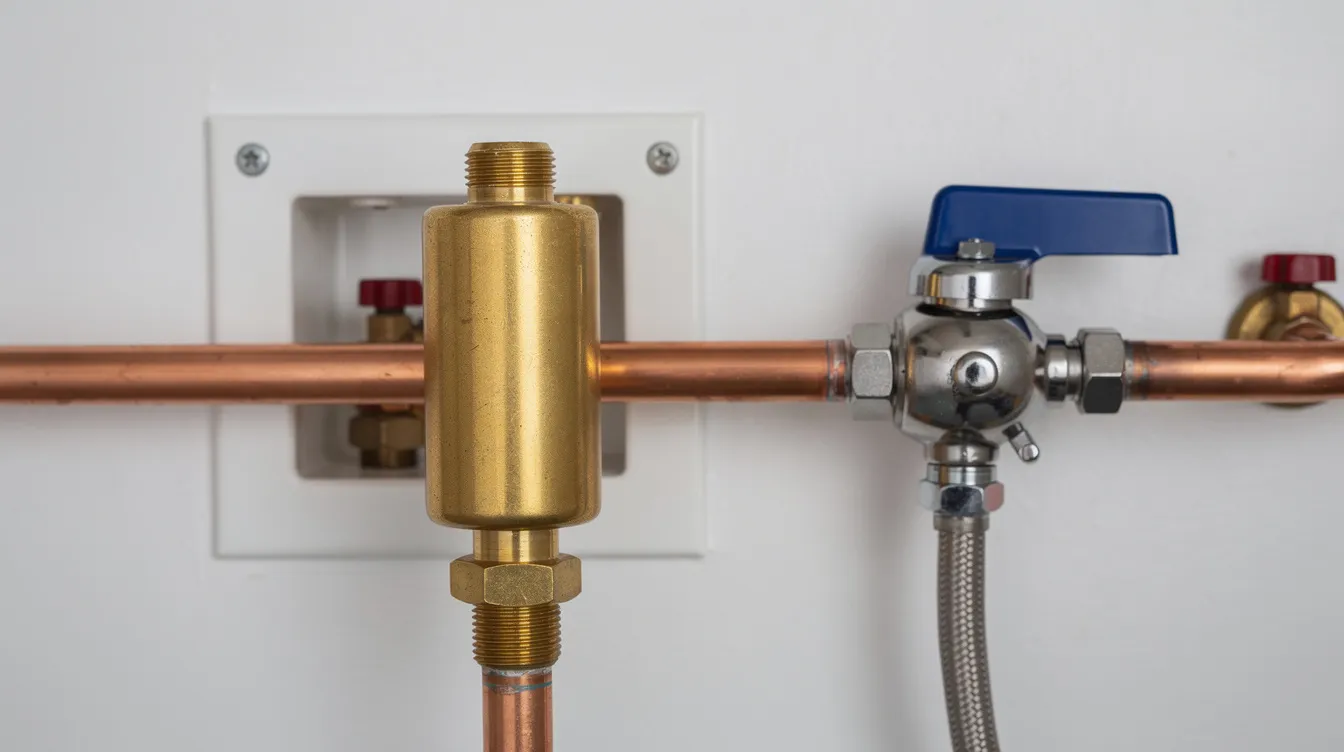
- Air chambers are small vertical stubs near fixtures that trap air. Air chambers in pipes can cushion the impact of water hammer by compressing that air pocket. However, they can waterlog over time and lose effectiveness.
- Water hammer arrestors are sealed cartridge devices with a bellows or piston inside. Water hammer arrestors absorb shock waves in plumbing systems and are far more reliable long term. They conform to ASSE 1010 standards.
Water hammer can create banging sounds in pipes that seem harmless at first, but severe or frequent occurrences can crack joints, damage valves, and shorten appliance life. Water hammer can cause leaks and ruptured pipes over time, so this is not something to put off.
Quick DIY Checks to Address Water Hammer
A few simple steps can often reduce mild water hammer before you need extra hardware or a plumber.
Start with the drain and refill method. Shut off the main water valve, then open all taps starting upstairs and working down. Flush every toilet. Let the system drain fully, then close all taps and slowly turn the main water valve back on. This restores air cushions in old air chambers and clears air pockets that may have built up.
After refilling, test problem fixtures one at a time. Close a kitchen faucet quickly or stop a washing machine mid-cycle. Listen for whether the banging noise has improved.
If the same problem persists, consider adding threaded hammer arrestors to visible appliance hoses. Installing water hammer arresters can help prevent water hammer, and they are a realistic DIY option when connections behind a washing machine or dishwasher are accessible. Most cost under $50 and thread right onto a standard hose bib or supply fitting.
If your home already has older arrestors or air chambers and the problem persists, a plumber may need to install water hammer arrestors in better locations, replace waterlogged devices, or reconfigure pipe runs for better results.
High Water Pressure: When Your Plumbing System Is Working Too Hard
High pressure is a major trigger for noisy pipes and long-term wear. Homes connected to municipal supply, especially those sitting at the bottom of hills or near booster stations here in Western North Carolina, often deal with this.
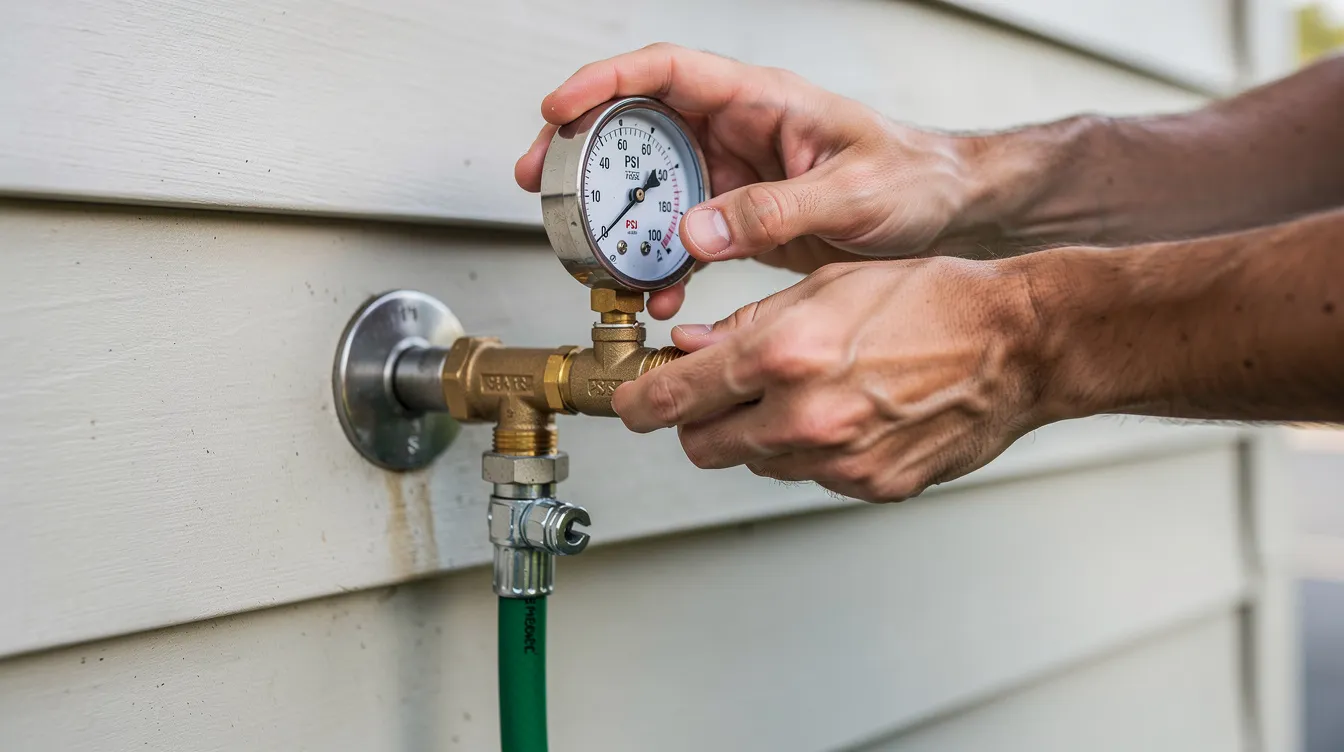
If your pipes hum or vibrate when multiple fixtures run at once, that is a strong sign of excessive water pressure. You can check it yourself with a simple screw-on gauge attached to an outside faucet or laundry tap. The ideal residential range is around 50 to 60 psi. Anything above 80 psi is too high.
Excessive water pressure can strain plumbing systems, causing leaks and accelerating wear on every fitting and appliance in your home. Installing a water pressure regulator can manage high water pressure by reducing it to a safe, consistent level at the main line entering the house. Older pressure regulators can fail over time, and when they do, you may notice both noise and premature wear on your water heater, faucets, and toilet fill valves.
To adjust water pressure by replacing or calibrating a PRV is often a job for professional help, especially in older properties where corroded fittings can break or leak during work.
Loose Fittings, Supports and Brackets: Stopping Rattles and Vibrations
Loose fittings and poorly supported pipes turn small pressure changes into loud rattling and clunking sounds throughout the house. Loose fittings can lead to rattling or clunking noises that travel through wood framing, making it sound like the noise is coming from everywhere at once.
To find the culprit, have someone turn a tap on and off while you listen and feel along exposed pipes in basements, crawl spaces, and under sinks. Look for sections that visibly shake or knock against wood or metal.
Here are targeted fixes to reduce vibrations and secure loose pipes:
- Add or tighten pipe clamps at points where pipes contact framing.
- Replace bare metal straps with rubber-lined clamps. Rubber-lined pipe clamps reduce vibrations and noise transmission and keep the pipe properly secured without pinching.
- Insert foam or neoprene pads where pipes touch joists or studs.
- Pay attention to long horizontal runs of drain pipes suspended from floor joists. These can flex and bang when toilets are flushed or bathwater drains quickly.
One caution: avoid over-tightening metal clamps on copper pipes. Copper is soft, and clamping too tight can pinch the pipe and actually make expansion noise worse when hot water flows through.
Pipes Expanding, Hot Water, and Squeaking or Creaking Noises
Copper pipes expand and contract, causing creaking noises that can sound like something is alive inside your walls. This is especially noticeable when hot water pipes heat up during a shower or when the water heater kicks on, and again as they cool down.
Hot water pipes may slide slightly through tight holes in timber framing or rub against metal straps, producing repetitive squeaks. In older Asheville homes with original copper supply lines, this is one of the most common complaints we hear.
A few practical solutions:
- Slightly enlarge tight holes where pipes pass through studs, giving the pipe room to move without friction.
- Add plastic or rubber grommets at passage points.
- Wrap short sections of pipe with thin foam where they contact framing.
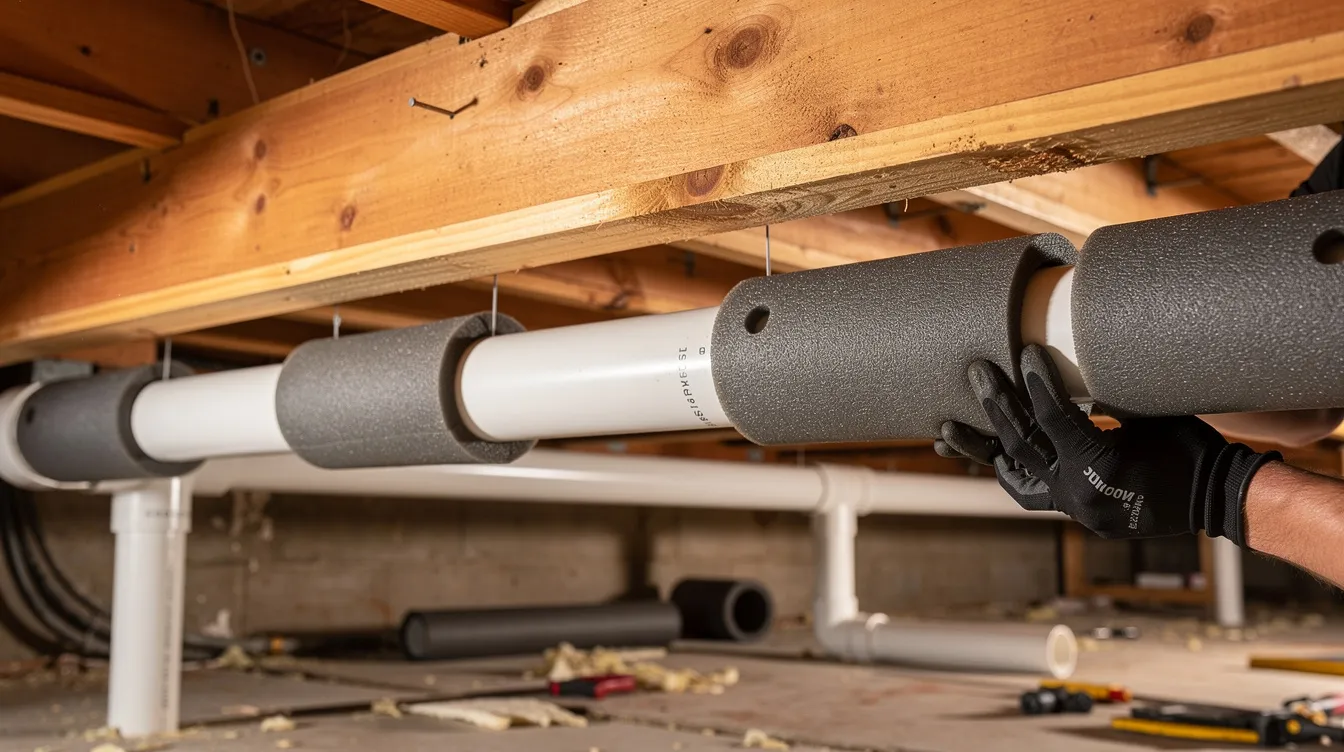
Insulating pipes minimizes expansion and contraction noises by cushioning the pipe and moderating temperature swings. Foam sleeves on hot water lines also improve energy efficiency, which is a nice bonus during our cold mountain winters.
In apartments and townhouses built between roughly 1980 and 2010, long central hot water risers can generate noise that travels across multiple units. Those situations usually require building-level adjustments by a professional.
Noisy Drain Pipes: Gurgling, Rushing and Drumming Sounds
Drain pipes can be just as noisy as supply lines, especially when large volumes of water from bathtubs, washing machines, or heavy rain move quickly through vertical stacks. If you hear gurgling sounds from sinks or showers, that may indicate partial blockages, sludge buildup, or venting issues that allow air to be pulled through traps.
Thin-walled plastic drain pipes inside stud cavities can drum and echo when water falls several feet, particularly in multi-story homes with tiled or plasterboard walls. This is common in newer builds around Hendersonville where PVC stacks run through open framing.
To improve water flow and reduce drain noise:
- Wrap accessible drain pipes with mass-loaded vinyl or dense insulation to dampen vibration.
- Add acoustic caulk around wall penetrations to stop noise leaking into rooms.
Avoid aggressive DIY drain cleaning with metal snakes or harsh chemicals in concealed pipes. If you are dealing with persistent blockages, recurring gurgling, or slow drains that coincide with noise, it is better to get professional help.
Soundproofing Solutions to Quiet a Noisy Plumbing System
Even after you fix mechanical problems like high water pressure and loose fittings, some residual noise can be reduced further with soundproofing. Reducing noise in a living space involves both soundproofing and acoustical treatment, and a few targeted upgrades can significantly reduce what you hear.
For pipes specifically:
- Wrapping pipes with soundproofing material reduces noise significantly. Mass-loaded vinyl is effective for soundproofing pipes and can be layered with acoustic foam for even better results.
- Adding insulation inside walls around pipe runs can reduce sound transmission.
- Sealing cracks and outlets around pipe penetrations prevents sound waves from leaking into living spaces. Sealing air leaks can significantly improve sound isolation performance.
Beyond the pipes themselves, you can address how sound moves through your rooms:
- Sound travels through air gaps around doors and windows. Heavy curtains dampen outside sounds and window reverberations, while double or triple-pane windows create an acoustic barrier. Soundproof window inserts also create a tight acoustic barrier for problem rooms.
- Acoustic panels are effective at reducing reverberation and improving speech clarity. They absorb mid-to-high frequencies, reducing echo from hard surfaces near noisy walls.
- Using rugs and soft furnishings absorbs reflections and reduces echoes. Thick carpets and rugs absorb floor impacts and airborne noise, while upholstered furniture and bookshelves help diffuse sound waves naturally.
- Furniture placement can help block and break up sound waves, especially large bookshelves against shared walls.
- For short-term relief, white noise machines inject steady ambient sound, making noises less disruptive. Active noise-canceling headphones reduce continuous environmental noise if you need quiet while waiting for a permanent fix.
Remember that soundproofing should complement, not replace, essential plumbing repairs. Insulation alone will not stop leaks or correct serious water hammer issues.
When to Call in Professional Help
While some minor noises can be handled by homeowners, persistent or severe sounds often signal plumbing problems that require a licensed plumber.
Call a professional when you experience:
- Repeated water hammer even after DIY steps
- Unexplained banging behind finished walls
- High pressure readings on your gauge
- Visible corrosion or leaks at fittings
- Noises combined with discolored water, hard water scale, or low flow rate
A plumber can safely install or replace a pressure regulator, install water hammer arrestors in hard-to-reach spots, replace the main water valve, and secure loose pipes inside walls or ceilings. For older homes built before about 1980 with mixed or unknown pipe materials, professional inspection reduces the risk of damaging fragile components during DIY attempts.
Preventative Maintenance to Keep Pipes Quiet Long-Term
Regular maintenance is the easiest way to prevent noisy pipes from returning and to protect your overall plumbing system from bigger issues.
- Check water pressure annually with a gauge, especially after municipal work, meter replacement, or major renovations. If readings drift upward, it may be time to adjust water pressure or replace your PRV.
- Do periodic visual inspections of accessible pipes in basements, garages, and under sinks. Look for loose brackets, fresh rub marks on wood, or early signs of drips at joints.
- Flush your water heater once a year to reduce sediment buildup that can cause rumbling or hissing and contribute to noisy plumbing.
- Address minor noises promptly. A new squeal at a faucet or an occasional bang after a toilet flush is easier to fix now than after it evolves into a chronic or damaging issue.
If your pipes have been making noise and you have worked through these steps without relief, we are happy to help. Give us a call or book a visit through PikeHomeServices.com and we will track down the source, get things quiet, and make sure your system is in good shape for the long haul.
FAQ: Stop Noisy Pipes
These FAQs answer common questions that go beyond the main sections, focusing on practical everyday concerns homeowners run into.
Can noisy pipes damage my home if I ignore them?
Occasional mild noise is not always dangerous, but ongoing banging, rattling, or hissing can indicate water hammer, high water pressure, or loose fittings that may eventually crack joints, cause leaks inside walls, or damage appliances. Early diagnosis and repair almost always cost less than repairing water damage or replacing burst pipes later.
Why are my pipes making noise only at night?
Nighttime noise often seems louder simply because the house is quieter, but it can also be linked to municipal pressure changes that happen when neighborhood demand drops. Automatic appliance cycles, like dishwashers or water softeners running overnight, and temperature shifts in hot water pipes as demand drops can also be the cause. Check when toilets refill, softeners regenerate, or washing machines run to help pinpoint the actual source.
Is it safe to adjust my own pressure regulator?
Many pressure-reducing valves have an adjustment screw, but turning it without measuring pressure with a gauge can leave the system too high or too low, affecting performance and safety. If you are comfortable with basic tools, you can make small adjustments while watching a pressure gauge. However, corroded, leaking, or very old regulators should be handled or replaced by a professional plumber.
Do I need to replace all my pipes to stop the noise?
Full pipe replacement is rarely necessary just to fix noise. Most issues can be solved by addressing water hammer, securing loose sections, adjusting pressure, and adding targeted soundproofing or insulation. Repiping is usually considered only in homes with severely corroded or outdated materials where leaks, low flow, and noise all occur together.
How can I tell if the noise is from water pipes or drain pipes?
Noises that occur when taps, toilets, or washing machines start or stop are usually from pressurized water pipes. Sounds that happen mainly as water is draining away, like gurgling after a flush or during a shower, are usually from drain pipes. Try turning fixtures on and off while listening in nearby rooms to see whether the sound starts with water flow, with shutoff, or as water runs down a drain.